Completed in 1974, London’s Heygate Estate was once a symbol of triumph over destruction, housing some 3000 people on the site of Victorian tenements destroyed by World World Two bombing. The estate was also home to an ‘urban forest’ planted in the 1970s, which included the best part of 500 mature trees by 2011, when Matthew Benjamin Coleman started to photograph the site.
But by 2011 Southwark Council, which owned the estate, had also already moved out many of its tenants and leaseholders, starting a process which culminated in it selling the land in 2013 to the Lendlease property developer. As the estate depopulated, “guerrilla gardeners, graffiti artists, skateboarders and parkour enthusiasts, as well as photographers, film-makers, and other assorted ruin-tourists” moved in, says Coleman; he adds that, of the 406 trees on the estate in 2013, 286 have been felled to make way for building work.
Most of the Heygate buildings have now been demolished, and the new ‘Elephant Park’ development is due to be completed by 2025. The new owner, Lendlease, has claimed that new saplings will be planted to replaced the lost trees but, says Coleman “given that the developers have already broken promises around issues such as the percentage of ‘affordable’ housing that will be constructed post-Heygate, there is no guarantee that the promised number of trees will ever be replanted”.
http://cargocollective.com/matbcoleman Heygate: A Natural History by Matthew Benjamin Coleman is on show until 24 September at PARCspace, UAL Photography and the Archive Research Centre, London College of Communication, London SE1 6SB. The exhibition is open from 11.00–16.00 on Mondays and Tuesdays and at other times by appointment via Robin Christian at r.christian@lcc.arts.ac.uk www.photographyresearchcentre.co.uk
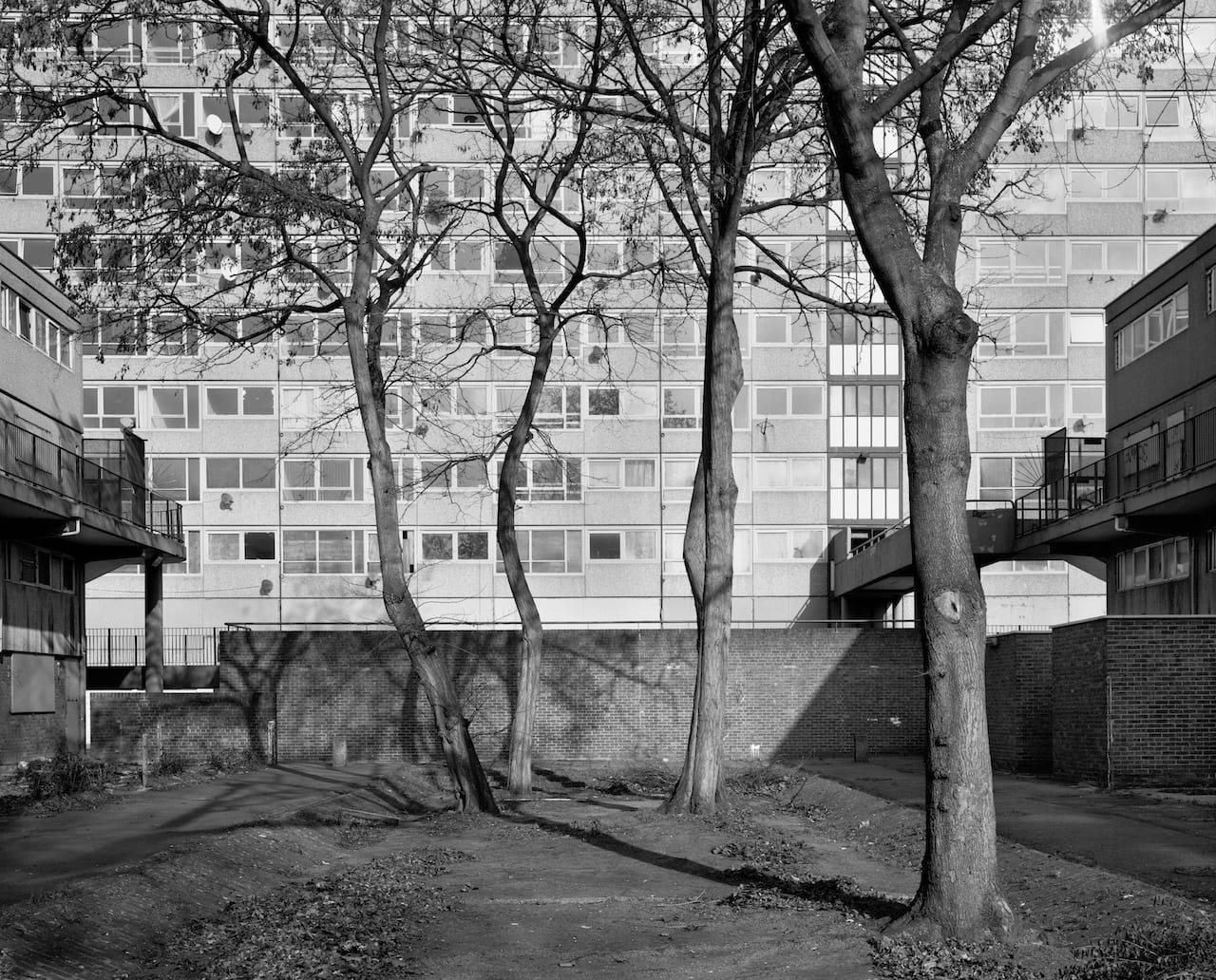
From Heygate: A Natural History © Matthew Benjamin Coleman
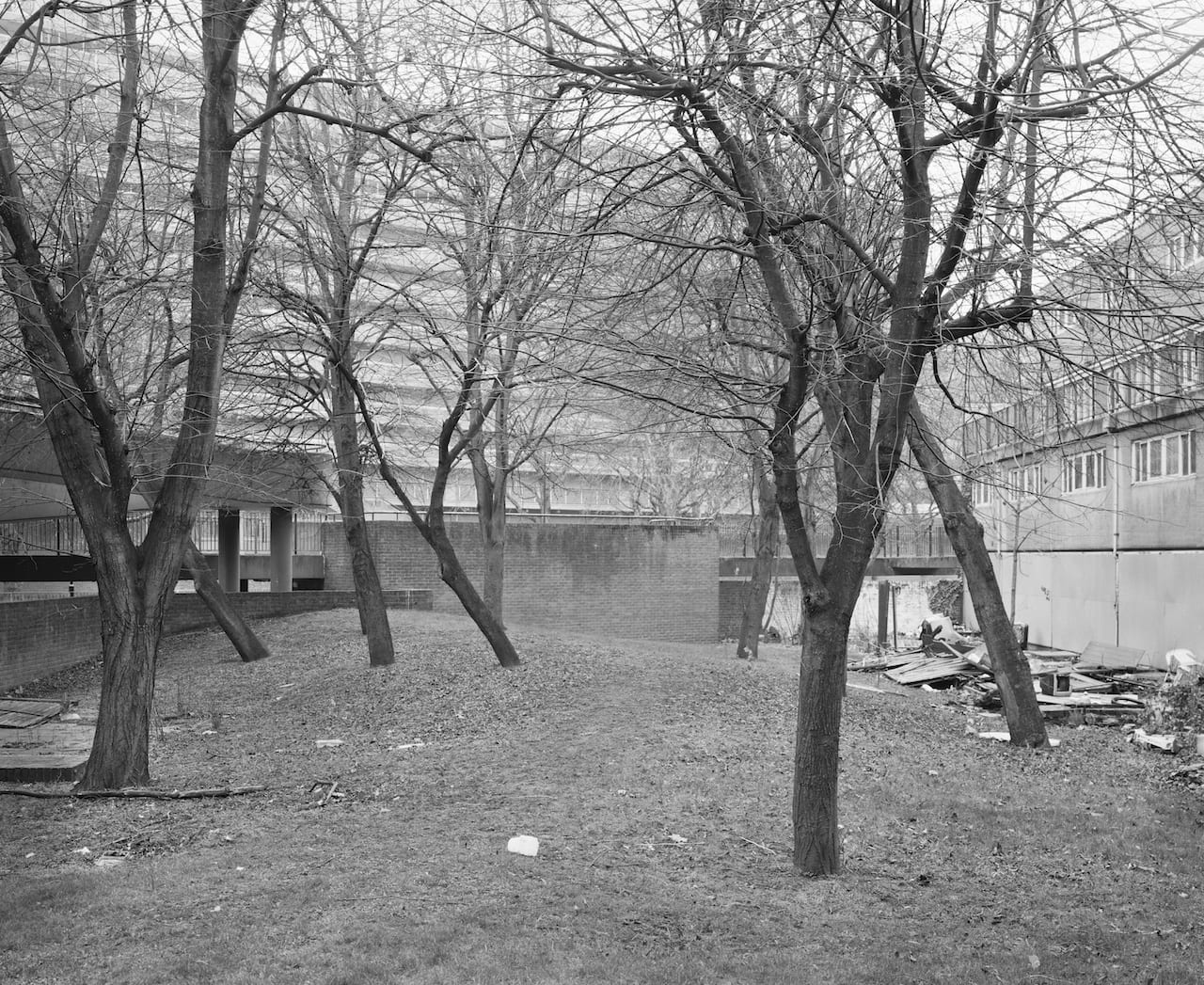
From Heygate: A Natural History © Matthew Benjamin Coleman
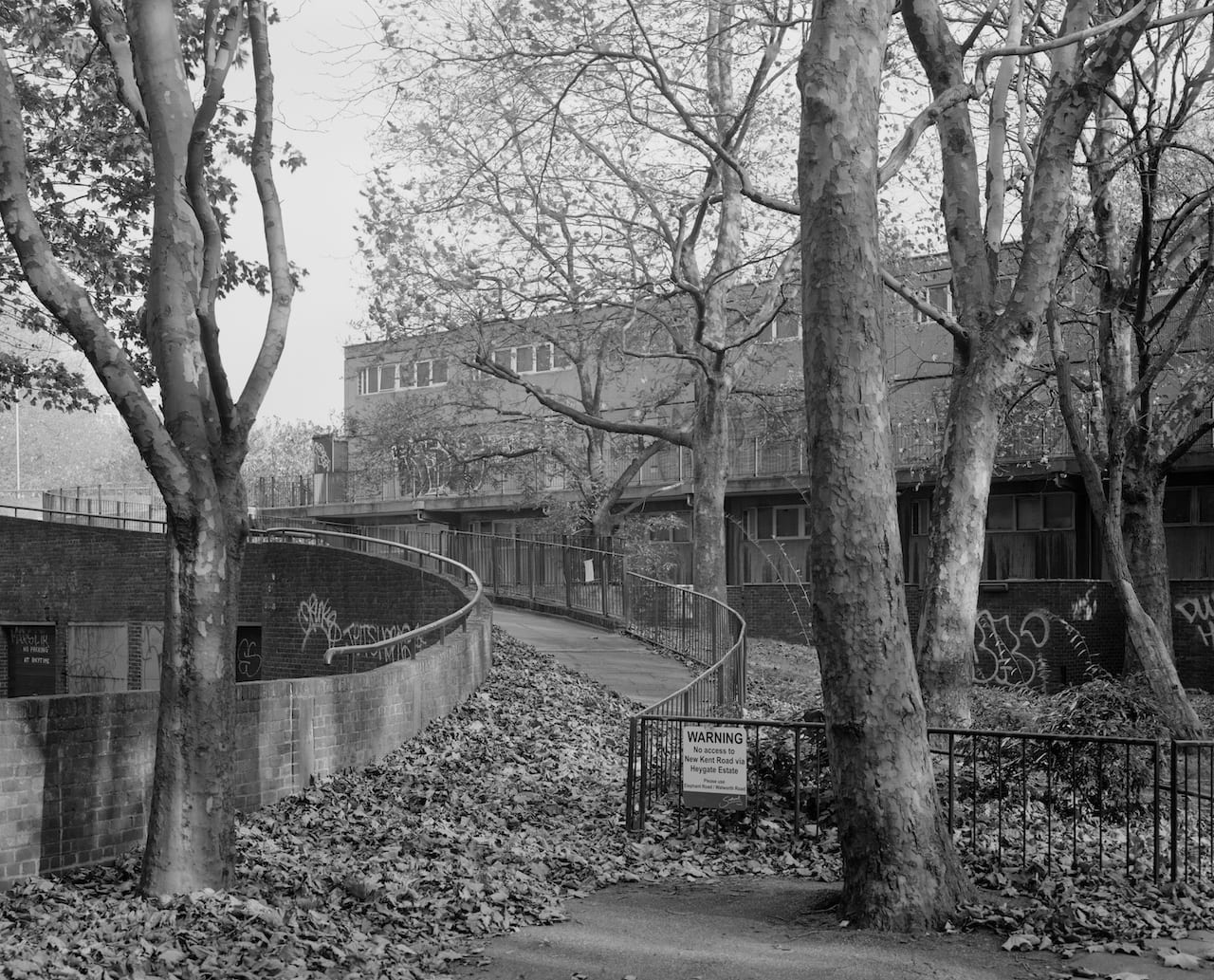
From Heygate: A Natural History © Matthew Benjamin Coleman
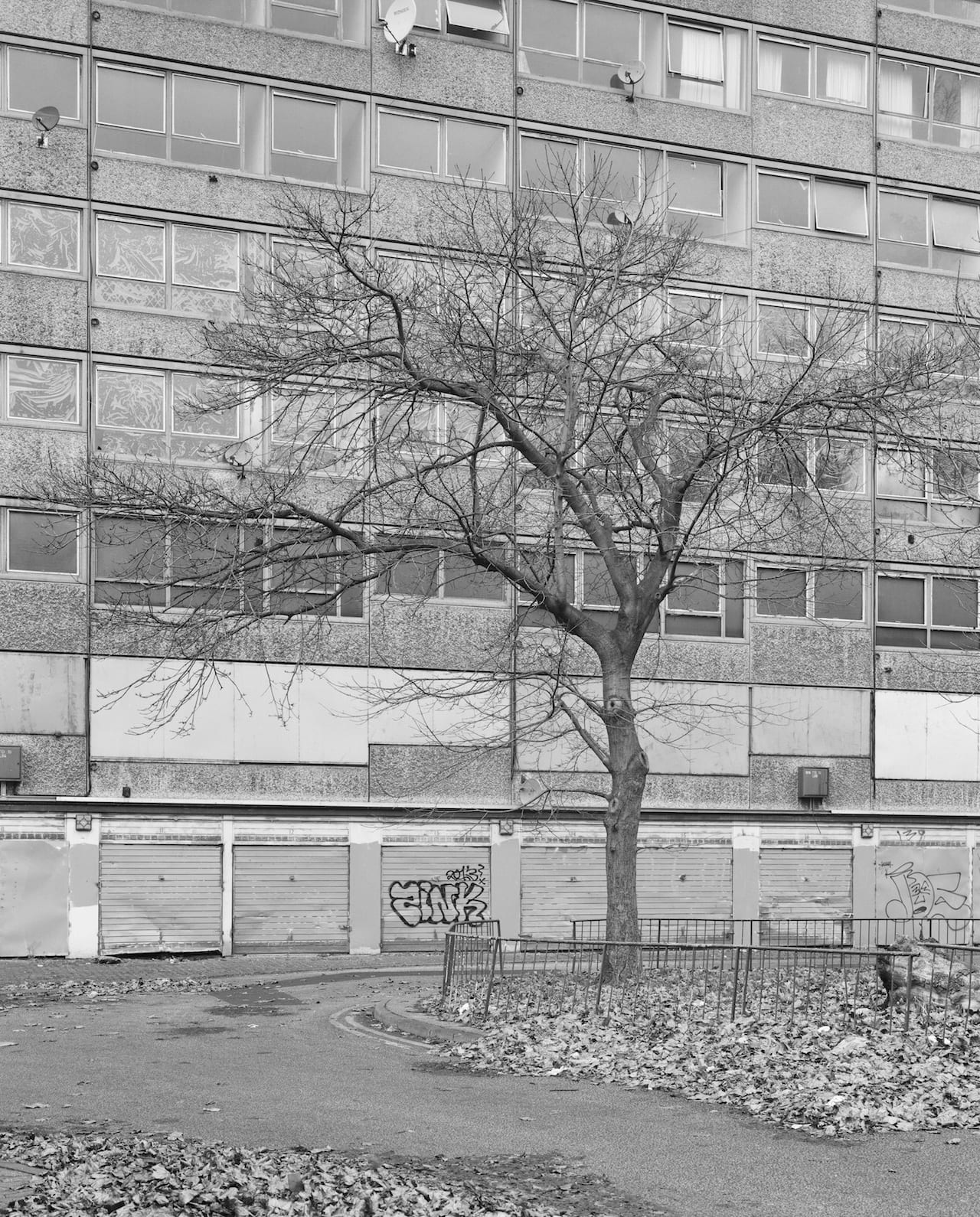
From Heygate: A Natural History © Matthew Benjamin Coleman
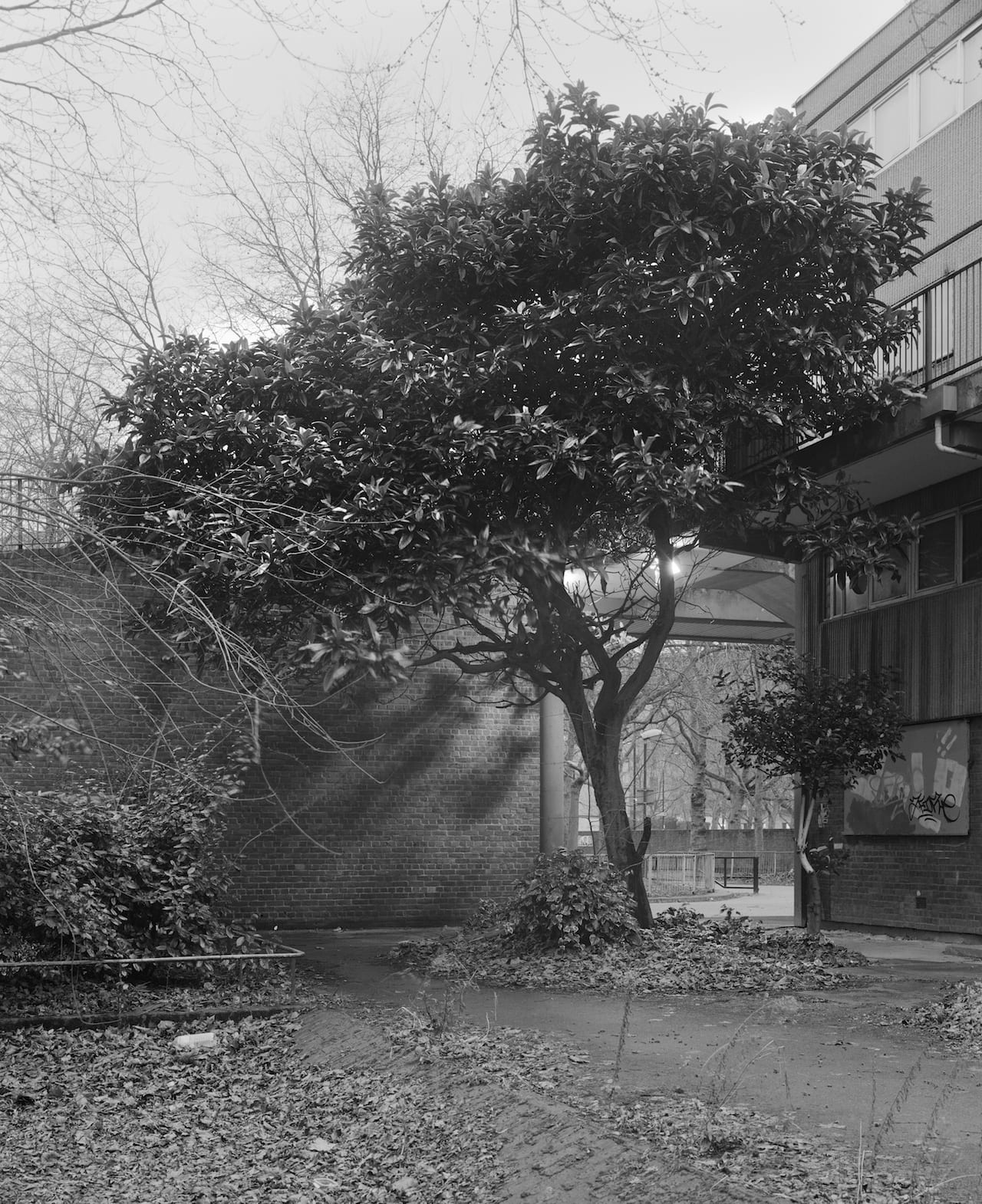
From Heygate: A Natural History © Matthew Benjamin Coleman
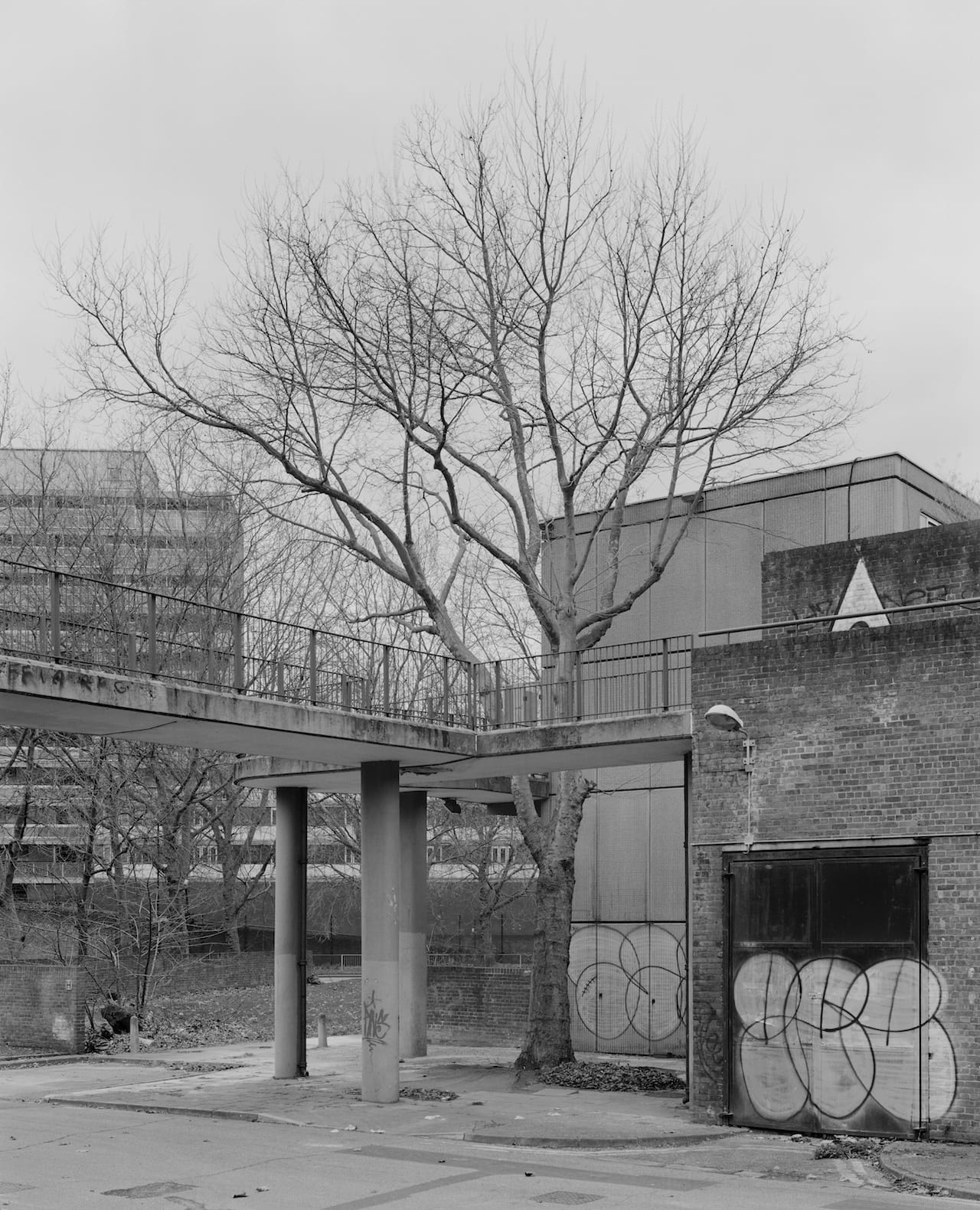
From Heygate: A Natural History © Matthew Benjamin Coleman
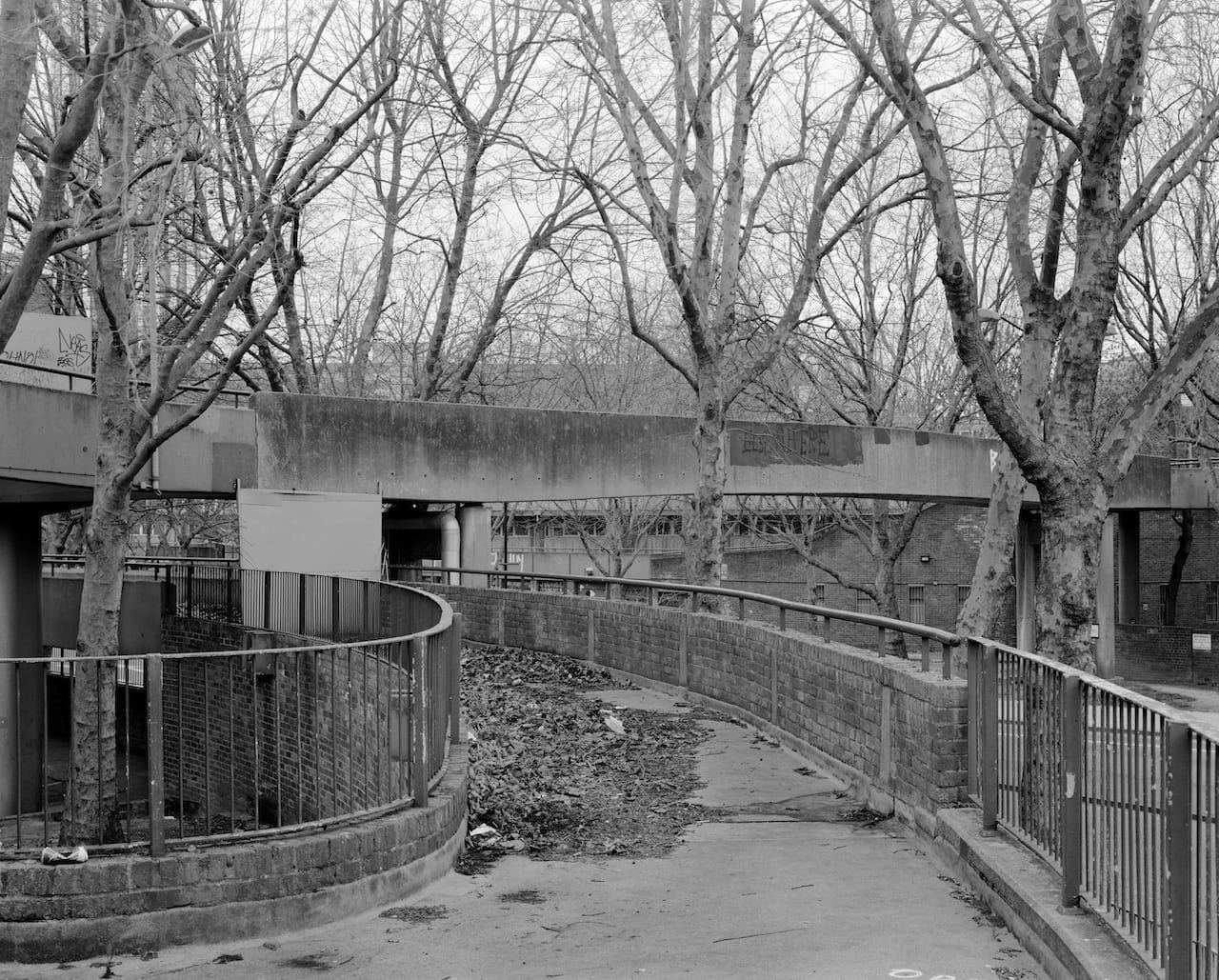
From Heygate: A Natural History © Matthew Benjamin Coleman
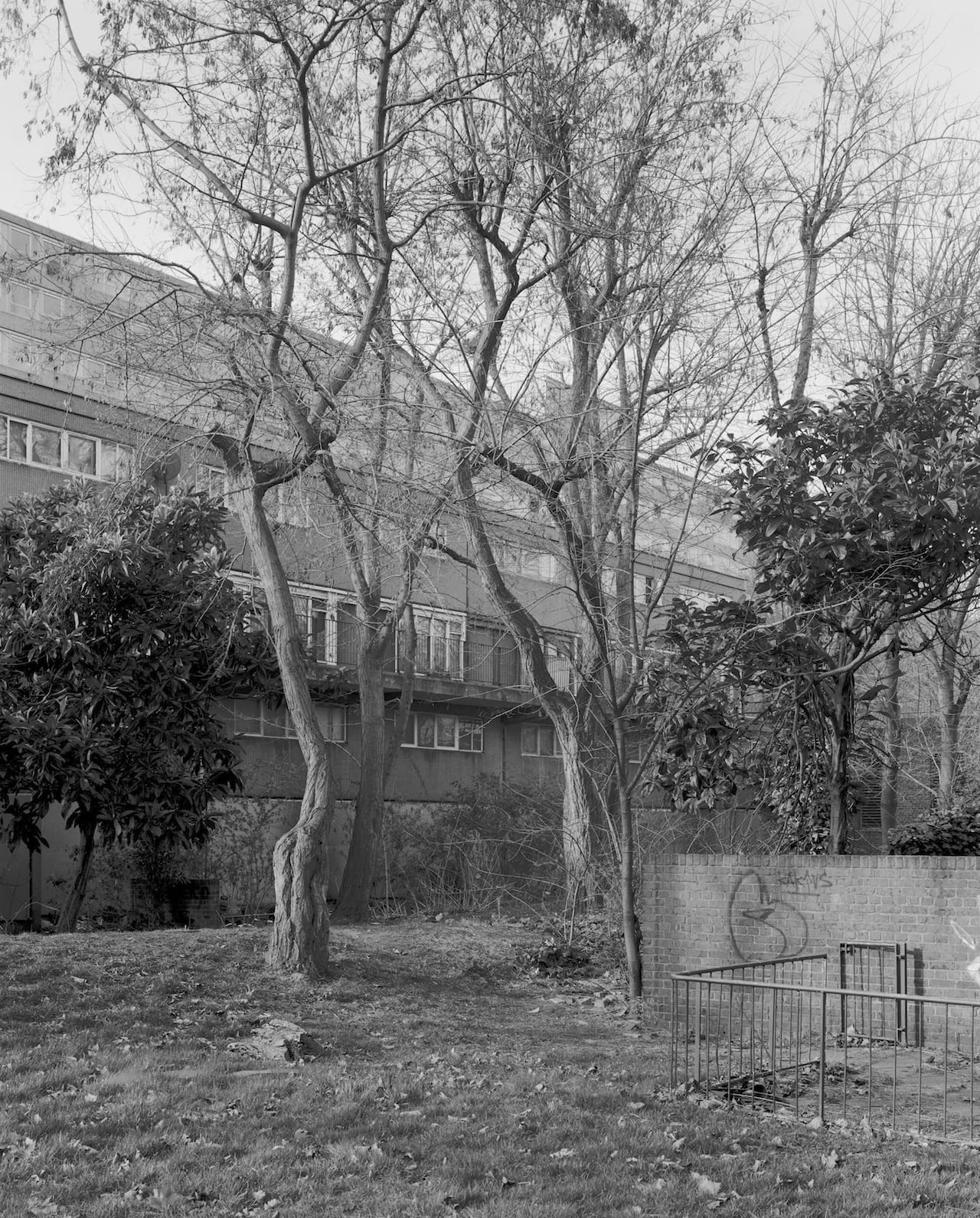
From Heygate: A Natural History © Matthew Benjamin Coleman

From Heygate: A Natural History © Matthew Benjamin Coleman

From Heygate: A Natural History © Matthew Benjamin Coleman
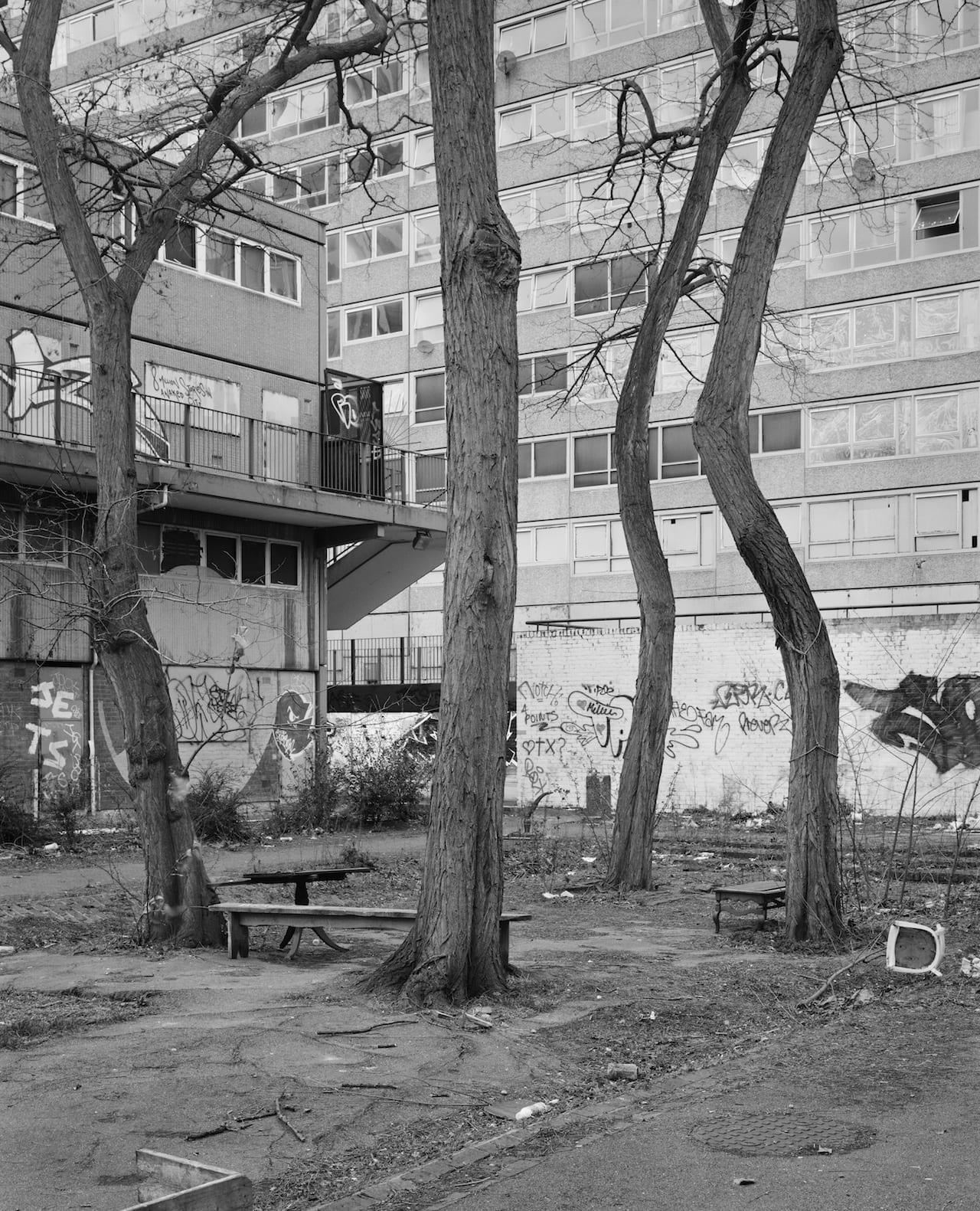
From Heygate: A Natural History © Matthew Benjamin Coleman
from British Journal of Photography https://ift.tt/2LdJg4j
via IFTTT


No comments:
Post a Comment